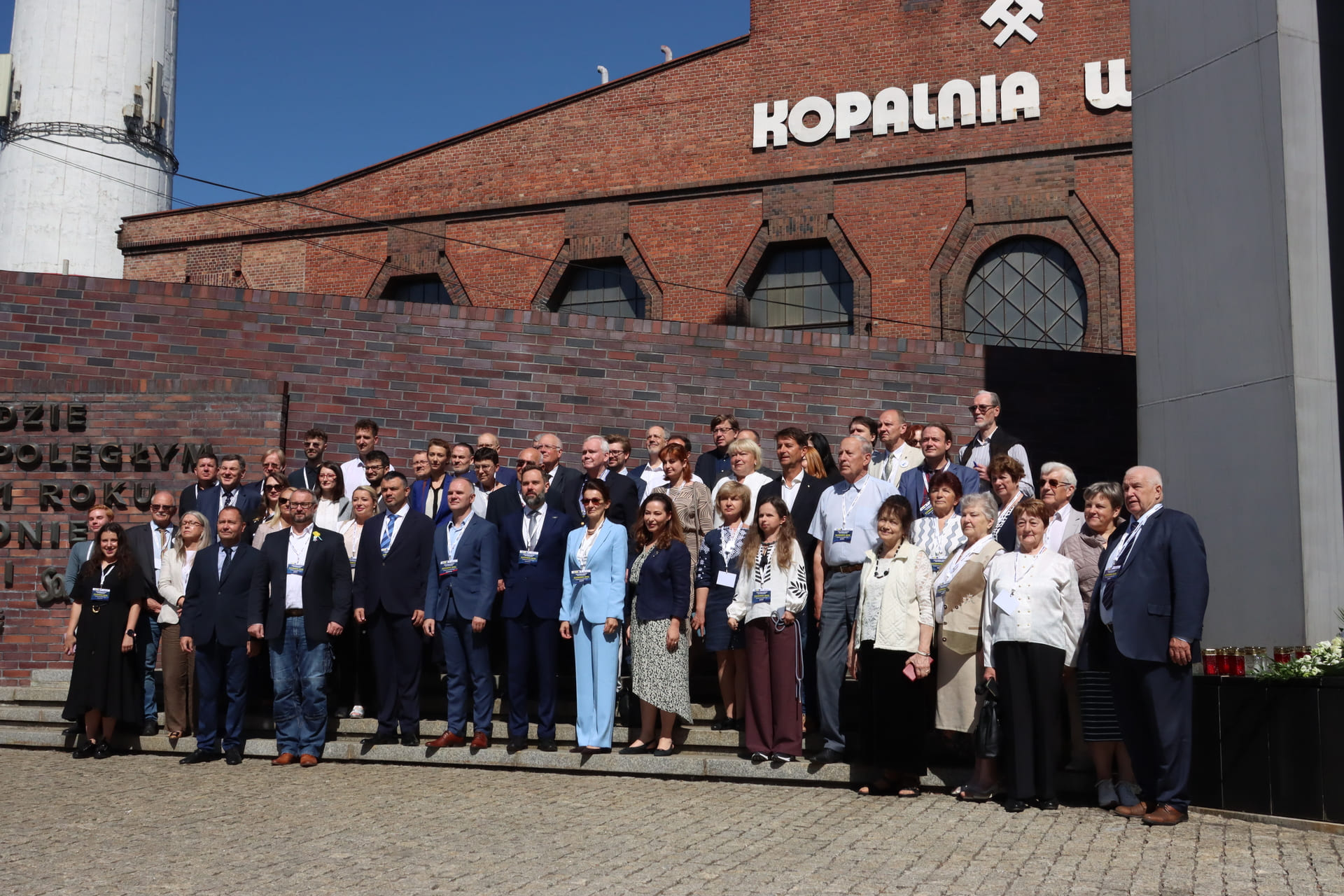
COK, together with the Brussels-based New Direction thinktank, organised a two-day conference in Zagreb on 8-9 July on the theme: “Eighty Years after the End of the War in Europe: Liberation or Enslavement?” The intention was to challenge the still widely prevalent idea that the defeat of Nazi Germany signified a genuine liberation in Eastern, Central and Southeastern Europe, as it undoubtedly did in West. By slightly different means and at different rates but following the same model, country after country fell under Communist dictatorship, from which, despite resistance and indeed uprisings, only the West’s victory in the Cold War and the fall of the Berlin Wall finally set them free.
The means chosen to explore the realities of what occurred at the end of the War in Europe were to examine and compare the experiences of Yugoslavia (Croatia and Slovenia) and the experiences of Poland and Lithuania. Those attending the conference heard 11 lectures and 4 round-table discussions. Indeed, the conference’s contributions naturally broke down into four separate blocks. Approximately 100 people attended one or all sessions. The full conference proceedings are available on YouTube.
“Eighty Years after the End of the War in Europe: Liberation or Enslavement?” conference opened on 8 July
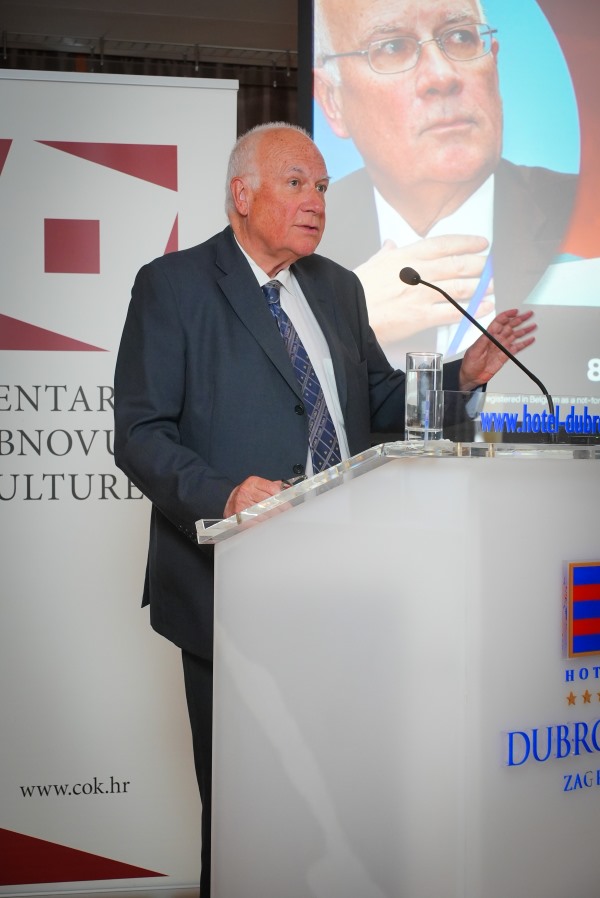
Branka Lozo, from the New Direction board, opened the conference, on the evening of 8 July, by drawing attention to the importance of the themes for contemporary Croatia. Robin Harris, President of COK stressed it was important not just for historians but for the wider Croatian public to understand what 1945 truly signified. He drew attention to the use and misuse of the term “Antifascist” as a means of humanising and concealing the nature of Communism.
In his first presentation, “What the Communist Revolution in Yugoslavia Entailed”, Dr Harris described the repressive measures adopted, despite earlier promises made by the Partisan leadership. He showed how liquidation and imprisonment of the Party’s enemies, under the pretext of judging war crimes, was a systematic policy. The use of torture was commonplace, and confiscation was used to achieve the Party’s revolutionary aims. He argued that despite the lessening of effective central control and the increased influence of and contacts with the West, Tito’s Yugoslavia remained to the end in its essence a totalitarian state.
Jareb: Tito’s personality cult was of the same kind as Stalin’s
Mario Jareb, from Croatian Institute of History, showed how Stalin had been accorded enormous veneration, in the years before Yugoslavia was ejected from Cominform in 1948. Stalin appeared in propaganda as Tito’s senior partner. Tito’s personality cult was of the same kind as Stalin’s, and indeed of the other Communist dictators.
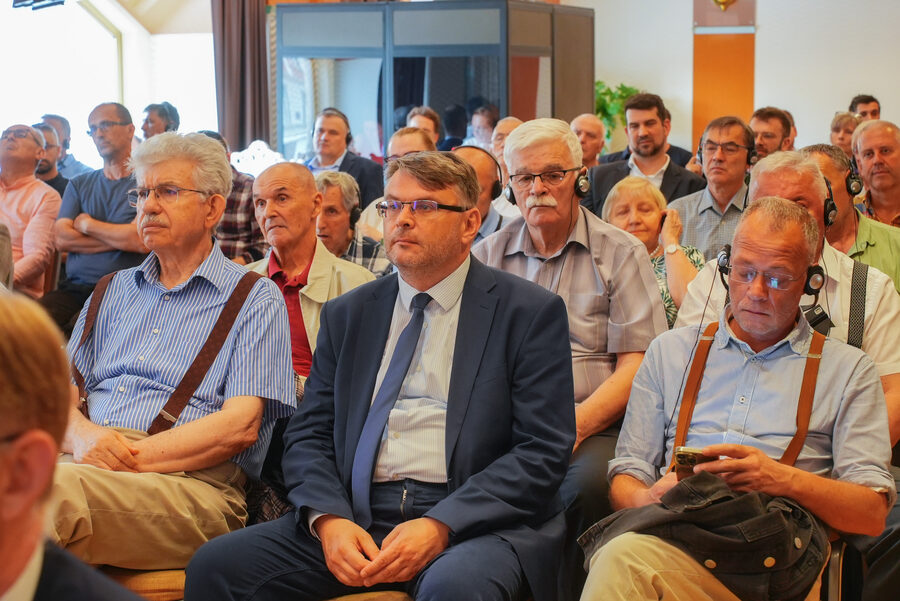
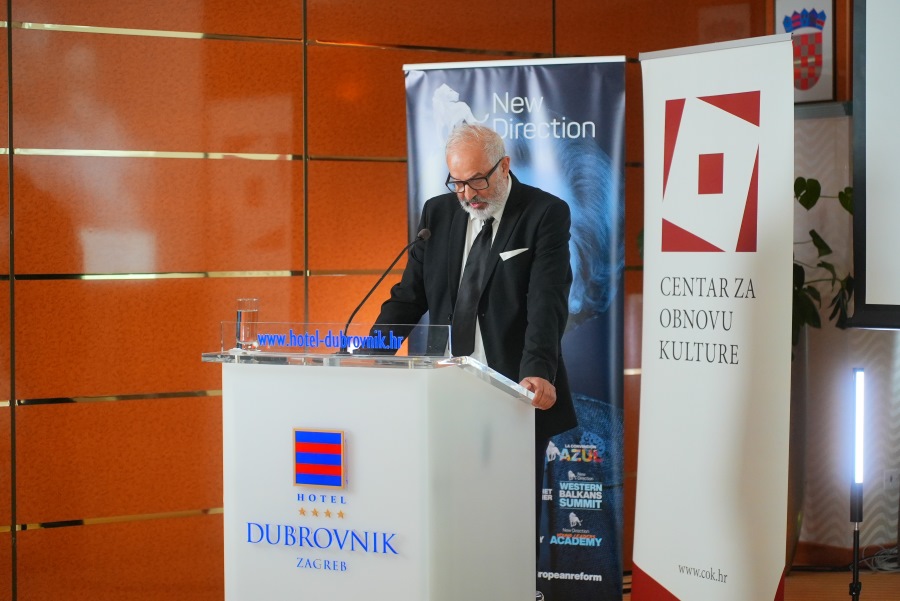
Igor Omerza, a writer on security issues from Slovenia, then delivered a lecture on the Party’s secret police structure and operations there between 1941 and 1990. Even before the OZNA Yugoslav secret police was founded by Tito in 1944, Slovenia had its own secret police, liquidating opponents from 1941. After the end of the War OZNA and the KNOJ military units imposed a reign of terror. This programme of persecution in the years that followed was not limited to anti-Communists but to dissident Communists and indeed supporters of the system. The Slovenian UDBA was also involved in targeting Croats abroad.
Lithuanian and Polish experience: bitter reality of communism
The focus of discussion now shifted to outside Yugoslavia. Arunas Bubnys, from the Genocide and Resistance Research Centre of Lithuania, described the Communist-Soviet terror in Lithuania between 1944 and 1953, detailing the shifts of political control and the human consequences for the population. He drew particular attention to the mass deportations of Lithuanians to the USSR – a policy which can even be described as genocidal, since Russification and Communist terror were combined in it. The adult able-bodied deportees were used as forced labour on Soviet projects. But it was children, pregnant women and old people who died first. Some 456,000 Lithuanians, every third adult, was a victim of Soviet terror, suffering one or the other form of violence.
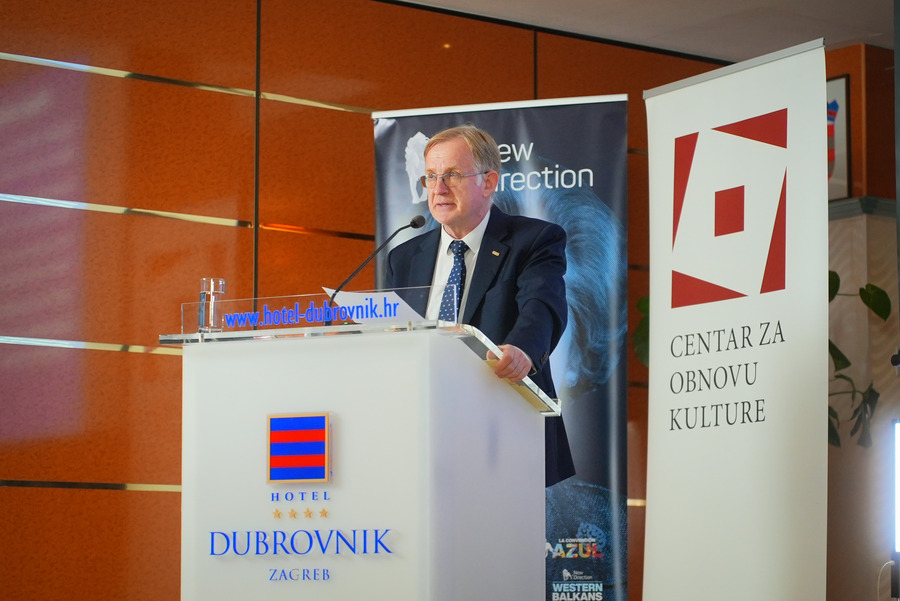
Grzegorz Wołk, from the Institute of National Remembrance in Poland, described the Polish experience of Communist revolution. Poland, whose territorial integrity was the casus belli for the Second World War in September 1939, was later betrayed by the West and crushed by the Soviets. Between 1939 and 1941 more than 300,000 Polish citizens were deported deep into the Soviet Union. In 1945 the democratic politicians were marginalised, though armed resistance continued for some years from the forests. The scale of the Communist terror is indicated by the fact that between 1944 and 1956 about 250,000 Poles passed through Communist prisons.
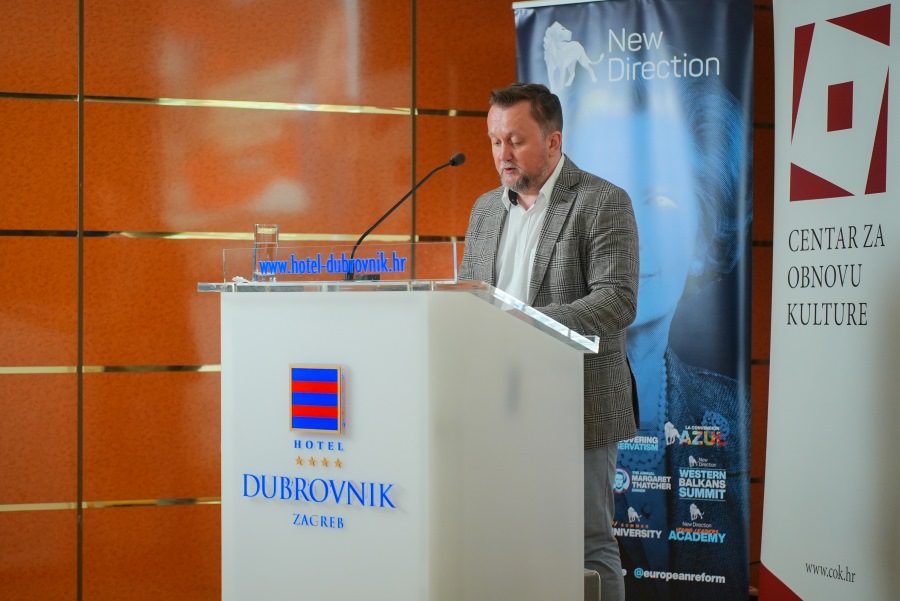
Čepaitienė: ex-Soviet leaders held on to power in most of the new republics
The second of our guests from Lithuania, Rasa Čepaitienė, from the Lithuanian Institute of History, discussed in her lecture, “Considering and confronting memories of the Communist Past”, the different approaches of the former Soviet Republics to their own history. These she described as “ranging from sincere nostalgia to harsh rejection, or even demonization.” In listening to her comparative analyses, which focused particularly on symbols, one fact stood out quite starkly.
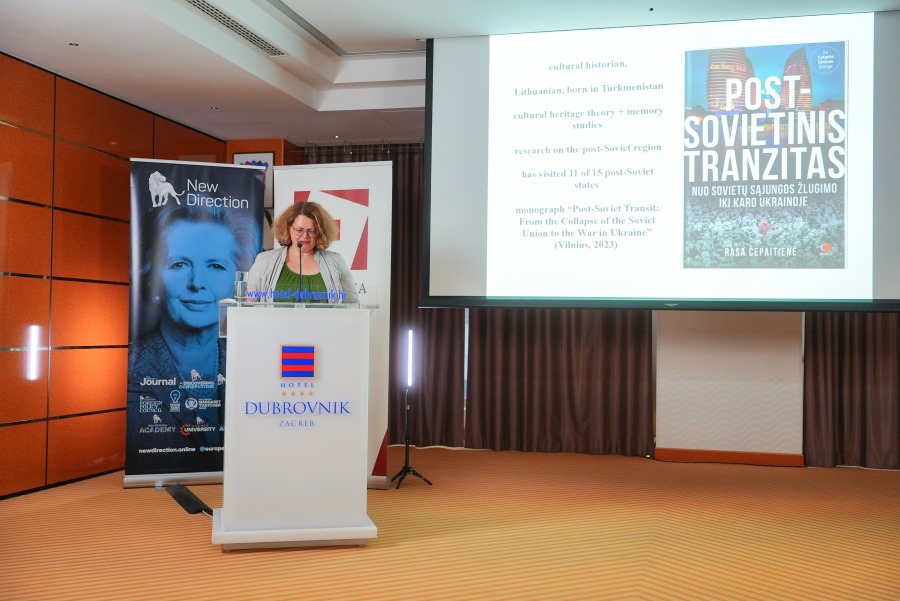
Namely, how quickly the ex-Soviet leaders grasped and then held on to power in most of the new republics, and how easily they pushed aside the dissidents who might have been expected to wield political authority in the post-Soviet era. These reflections are also relevant to the turbulent and currently violent post-Soviet experience of Ukraine. A panel discussion moderated by Robin Harris in which all these speakers participated then explored the common features of Communist rule, under the theme of “The Reality of Communism”.
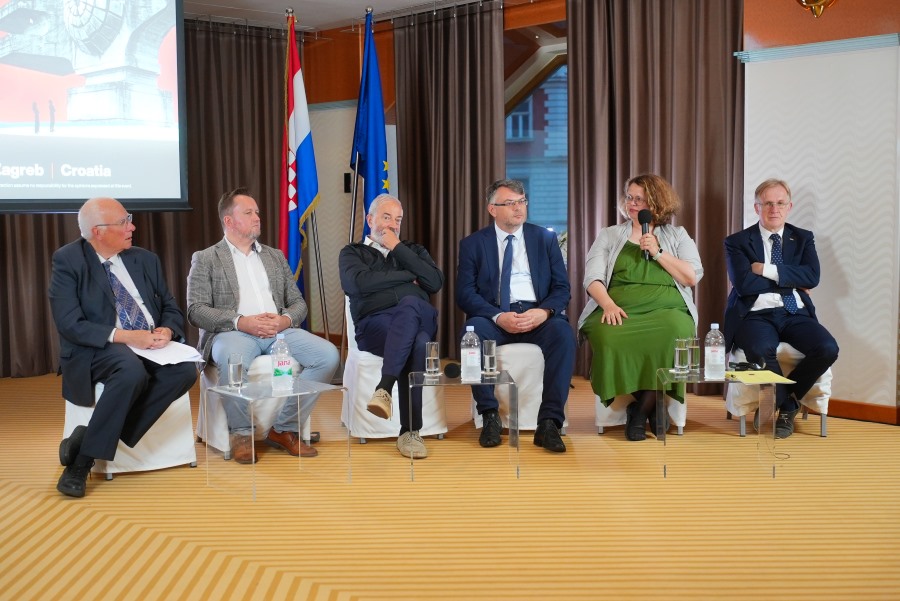
Persecution of the Catholic Church after the war
The second block of lectures which commenced on Wednesday morning concentrated on particular aspects of the Communist revolution and repression within Croatia. Mario Jareb discussed the significance of the observations of the famous British (Catholic) novelist, Evelyn Waugh, about the revolutionary aims and brutal behaviour – particularly towards the Church – of Tito’s Partisans. Waugh had been infiltrated into Croatia as part of the British SOE’s “Operation Fungus”. His report of 30 March 1945 entitled “Church and State in Liberated Croatia” caused great annoyance to his superiors, but they could not challenge its factual accuracy.
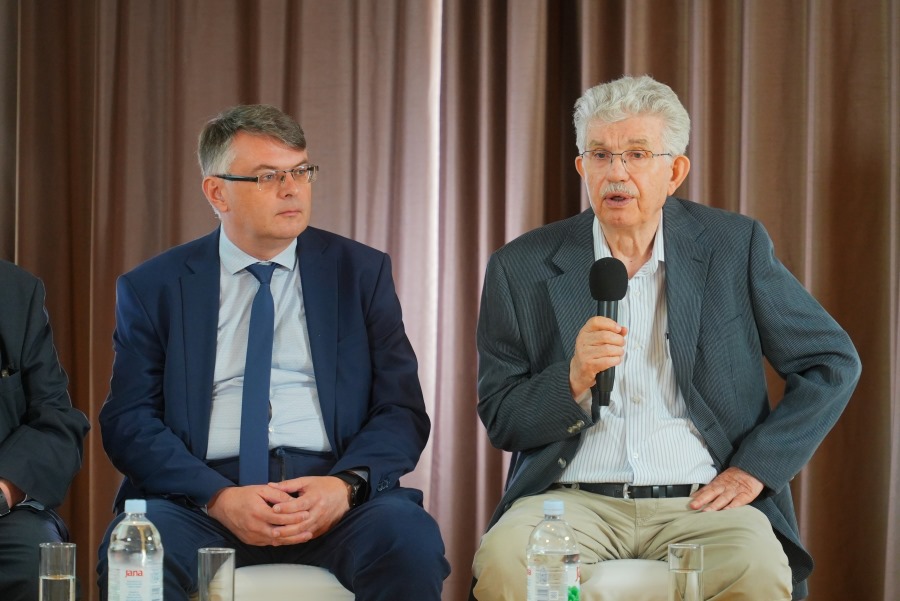
Continuing the same theme, Jure Krišto, retired scholar from the Croatian Institute of History, spoke about the persecution of the Catholic Church in Croatia. Dr Krišto concentrated on the immediate aftermath of the Partisan’s entry into Zagreb in May 1945 and the role of (Blessed Cardinal) Alojzije Stepinac, Archbishop of Zagreb. The post-War liquidation of priests as well as other opponents of the regime was clearly authorised by Tito. Stepinac, himself, was convicted at a show trial on 11 October 1946 to 16 years’ imprisonment and forced labour.
Dubrovnik: executions of lawyers, teachers, journalists, priests, and a trade unionist
Robin Harris described the actions of the Party in Dubrovnik after its occupation by the Partisans on 18 October 1944. The case of Dubrovnik is especially revealing of how the new authorities acted with a mixture of brutality and subtlety to destroy their opponents. On the nights of 23/24 and 24/25 October more than 50 arrested “enemies of the people” were taken out of the city prison to the island of Daksa and shot. Only after the establishment of democracy was it possible to discuss let alone research what happened.
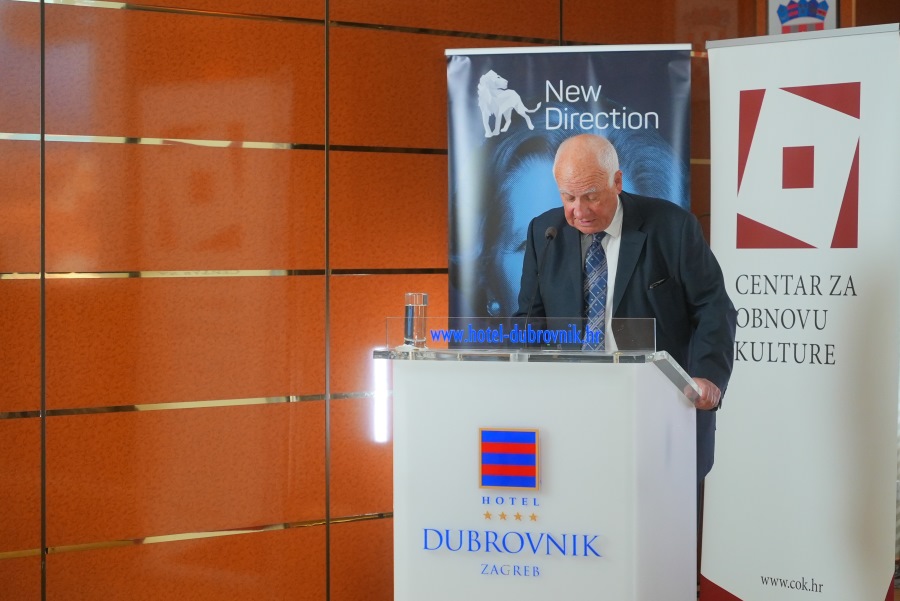
The professions of those singled out for execution – and there was no trial, though one was later invented for public consumption – is revealing of the groups which the Communists wanted to liquidate. There were lawyers, teachers, journalists, and a trade unionist, but most significantly eight priests (including Father Petar Perica SJ, who wrote the hymn “Rajska djevo, kraljice Hrvata”). Despite the Party’s hatred for the Church, the Partisan leaders allowed the Feast of St Blaise to be celebrated on 3 February 1945, and their troops took part in the procession – before renewing the killing of priests and other enemies afterwards.
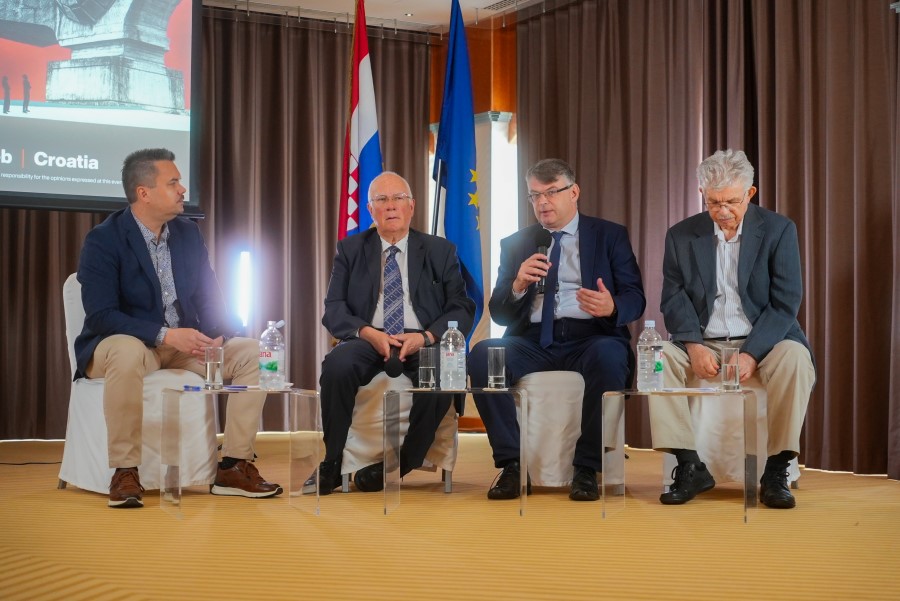
Hrvoje Čapo moderated the following panel discussion in which attention continued to be focused on the Party’s dealings with the Church. Participants discussed the attempt to create a parallel Church, under Party control, in the form of the Priests’ Associations (Udruženja) and other ways of pursuing “diferencijacija” i.e. splits in the Church’s ranks.
Državni terorizam protiv emigracije
The third block of lectures turned the conference’s attention to the treatment by the Communist Revolutionaries and their agents of minorities singled out for persecution – and in some cases extinction. Bože Vukušić, from the Way of the Cross Association, and formerly secretary of the Council for Affirmation of the Post-War Victims of the Communist System Killed Abroad (which operated as part of the former Commission for Affirmation of Wartime and Post-War Victims) discussed Yugoslav state terrorism against the Croatian emigration.
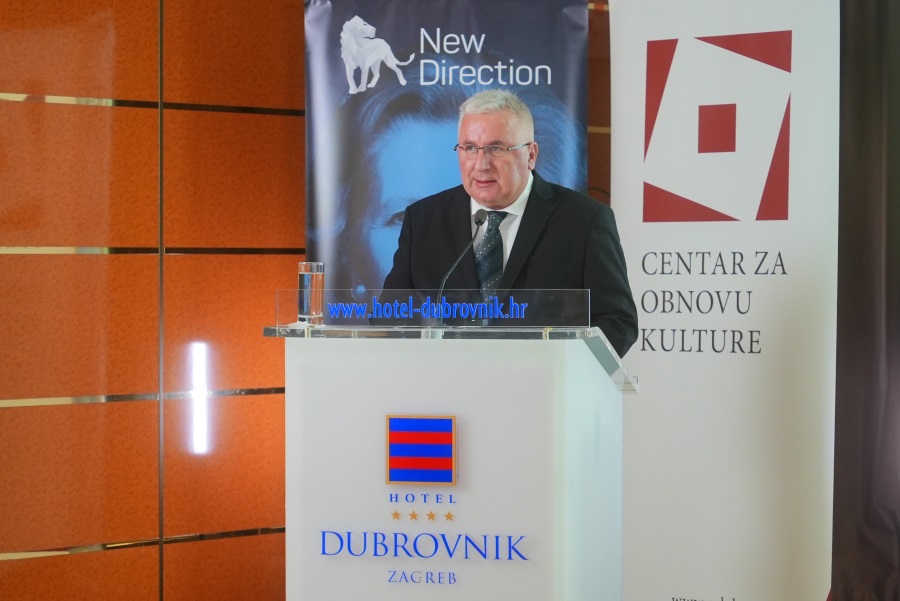
The Council identified as killed by the Yugoslav secret police, worldwide between 1946 and 1990, 69 Croatian emigres; three more were kidnapped and taken to Yugoslavia; four managed to escape kidnap; and 24 survived attempts at assassination with minor or serious injuries. The attacks took place in phases, reflecting political conditions and intentions. The fall of Ranković in 1966 permitted some relaxation of internal conditions, but it was followed by a new wave of assassinations abroad.
From 1967, when the secret police system was principally devolved to the Republics, no assassinations of Croats abroad could take place without the knowledge and participation of the Croatian Republic’s “UDBA”, i.e. the SDS. The details of the procedure were laid bare in the later investigation by the German court of the murder of Stjepan Đureković, which had taken place in Wolfratshausen near Munich on 28 July 1983.
Communist repression of the Islamic Community
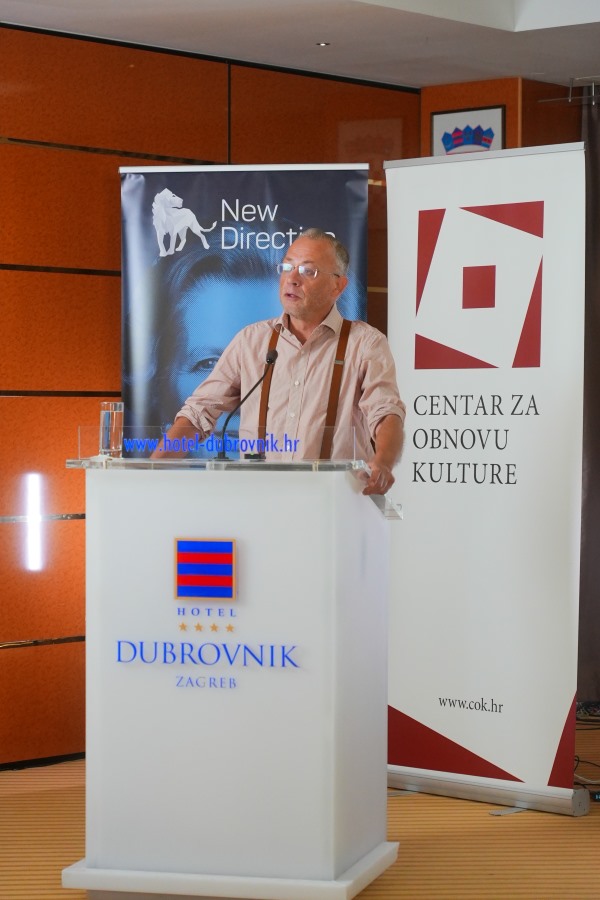
Zlatko Hasanbegović, from the Ivo Pilar Institute (and former Minister of Culture) then discussed the Communist repression of the Islamic Community, taking Zagreb as a case study. Dr Hasanbegović described how a small but growing Muslim community in Zagreb had obtained its own institutions, including its Mufti, Ismet Muftić.
For two decades, Muftić undertook his religious duties, but from the time of his declaration of support for the NDH in 1941 he was marked out for liquidation when the Communists took power. He was tried by a military court along with other religious leaders and executed.
Having disposed of the Mufti, it only remained – apart from killing and persecuting other leading Muslims – to abolish the Mosque, created under the NDH by adapting Meštrović’s gallery and adding minarets. This was done, overcoming Muslim objections, in April 1948.
The fate of the Italian and German minority
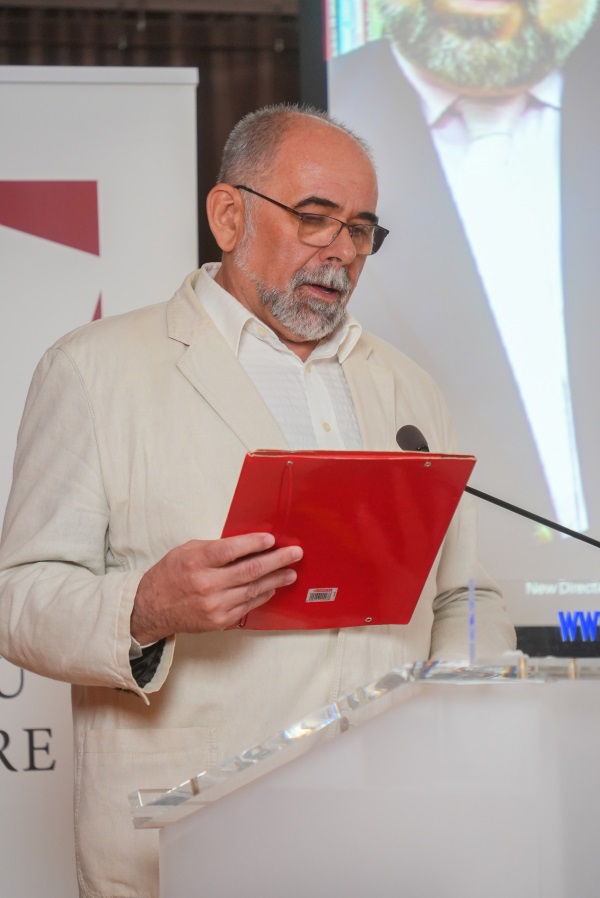
Marino Manin then discussed the still internationally controversial topic of the fate of the Italians at the end of the Second World War (1943 and then 1945 and later). The Italian minority were persecuted in both Dalmatia and Istria, and subsequently many thousands fled. Dr Manin, however, concentrated on a detailed account of recorded human losses in the Rijeka (Fiume) area. He concluded that 2,111 victims who were certainly Italian citizens were killed, and another 592 whose names suggest that they were.
Vladimir Geiger, from the Croatian Institute of History, was unable to attend but his paper – The Fate of the German Minority in Croatia and Yugoslavia at the End of the Second World War and the Immediate Post-War Period – was read out by Hrvoje Čapo. Unlike other minorities that the Partisans distrusted – Hungarian, Albanian, Italian and Bulgarian – the German minority (folksdojčeri/Volksdeutsche) in Yugoslavia was regarded as collectively guilty.
They were, if not at once tried and punished (by death or imprisonment), dispatched to camps (logori). Probably about 200,000 ethnic Germans found themselves living in Tito’s Yugoslavia. Of these a quarter lost their lives in these camps from the end of 1944 to the start of 1948. Women, children and old people were especially frequent victims of the insanitary conditions there.
Hrvoje Čapo then moderated a panel discussion in which all these themes were further investigated and comparisons drawn.
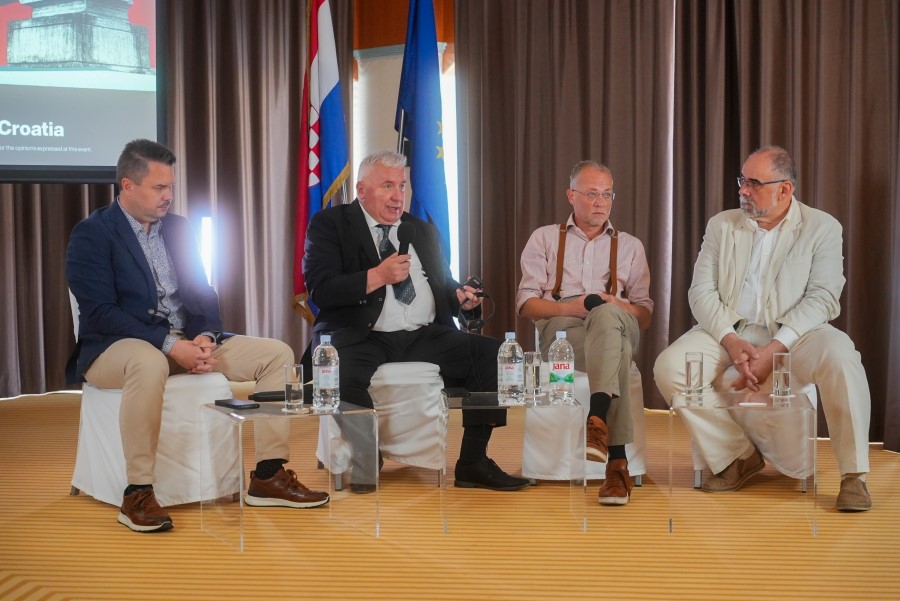
Dr Hasanbegović drew attention to the cynical attitudes demonstrated by the Italian Communist Party towards the exiles and the fojbe.
Mass graves in Croatia and Slovenia
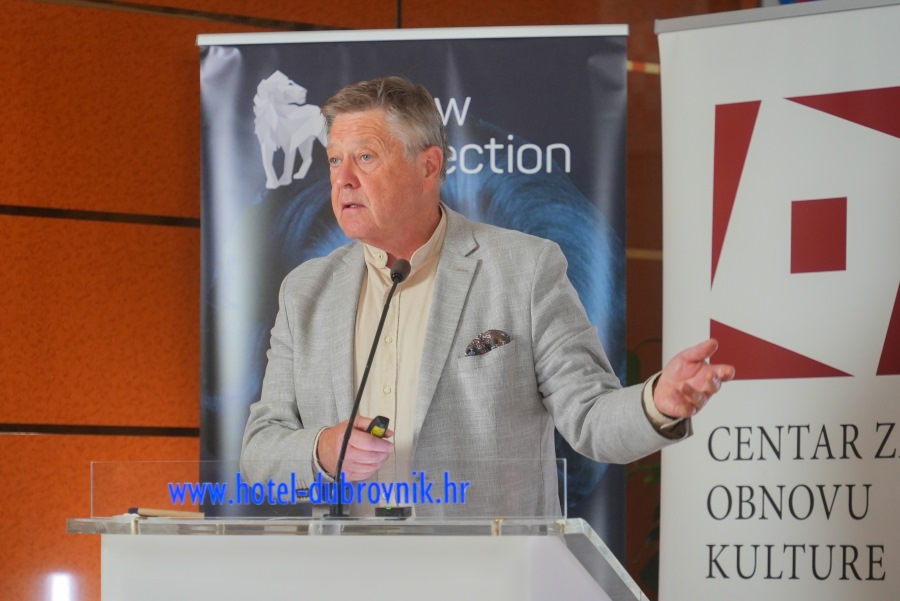
The fourth and last block of lectures concentrated on the Bleiburg massacre and mass graves, still being investigated, both in Slovenia and (more slowly) in Croatia of those who went on the forced death marches known as the Way of the Cross. Mitja Ferenc, an historian from Slovenia, but most importantly in this context Slovenia’s most distinguished expert concerning the location, probing, exhumation and analysis of mass graves, delivered the first lecture. He described how the political background in Slovenia had determined the pace at which progress was made in this undertaking. Extraordinarily, two years ago the left-wing government of Slovenia even cancelled the day of remembrance for the victims of Communism. Among the sites which Dr Ferenc discussed were those at Kočevski Rog, Tezno and Huda Jama. A book on the hidden graves of Croats in Slovenia will be published shortly by Školska knjiga.
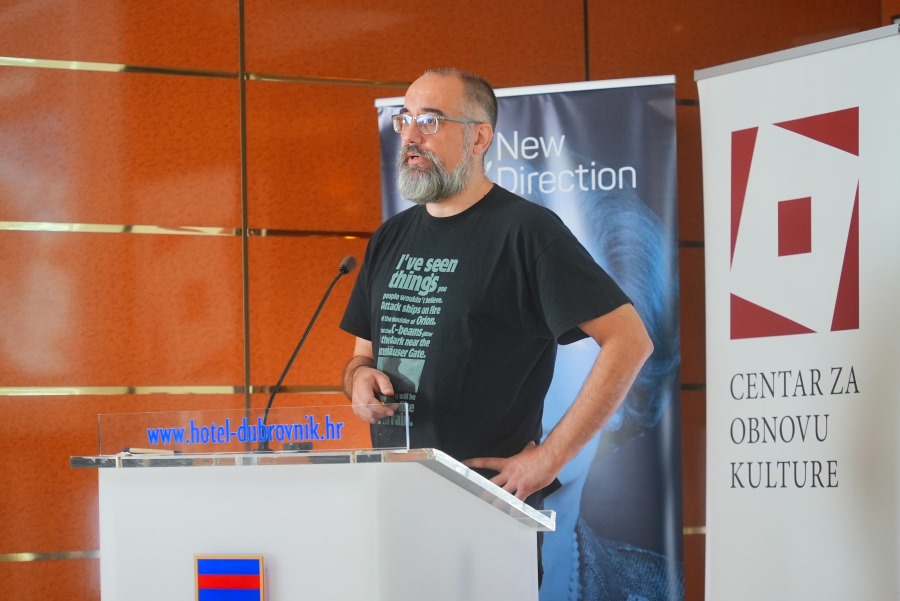
Amir Obhođaš, an historian at the Croatian State Archives, continued the same theme by reporting on the sites of mass graves which have recently been investigated on Croatian soil. He described and showed details of the exhumations done at Prudnice (Brdovec), Križanov jarak (Macelj), Jazovka and, most recently, at Sveta Nedelja.
Istočni model kažnjavanja ratnih zločina
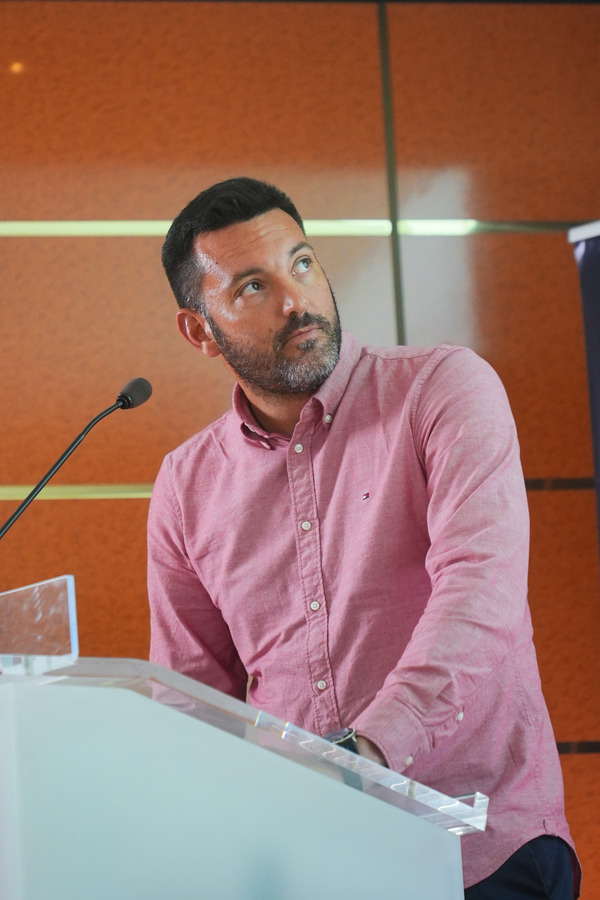
Hrvoje Mandić, an historian from the University of Zagreb, discussed OZNA Repression in Herzegovina in 1945. From May to August 1945 Mostar was one of the stations on the Way of the Cross. Camps, prisons and military courts were organised in Mostar by the Partisan authorities. There were also mass liquidations and mass graves, which have since been discovered there and elsewhere, but progress in investigation has been slow.
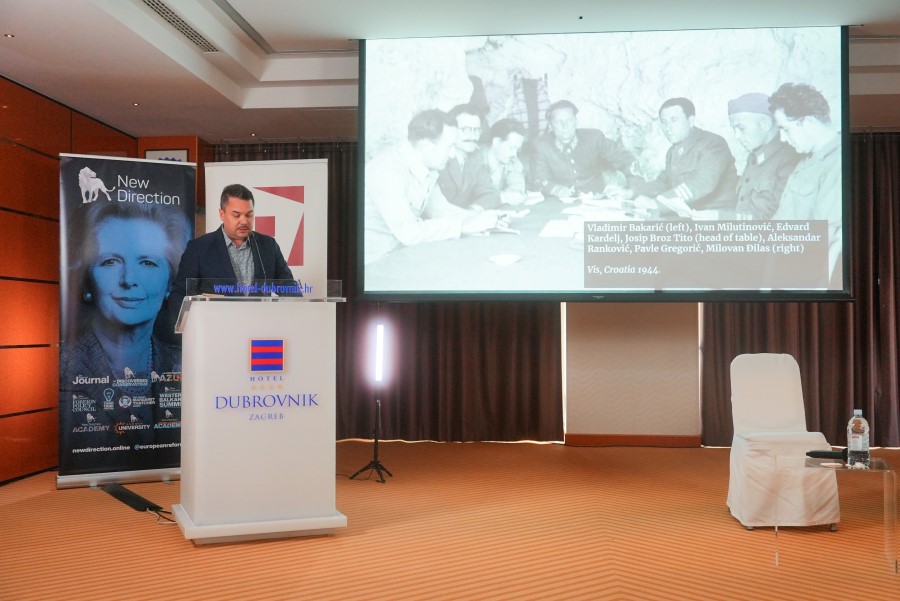
The last lecture of the conference was delivered by Hrvoje Čapo, who contrasted the approach to retribution for war crimes pursued at the end of the Second World War in Western and Eastern Europe. The Western model, despite some abuses, was based on the rule of law, sentencing criminals but trying to maintain democratic values and allow reconciliation and renewal. The Eastern model, pursued by the Communists, as in Yugoslavia, was to transform society by Revolution.
“Liberation or Enslavement?” conference offers a definitive answer to the question
Mate Ćurić, COK General Secretary, chaired the final panel discussion. Dr Ferenc confirmed that agreement had finally been reached for the Croatian authorities to accept back for burial Croatian war victims whose remains are currently in Slovenia. Dr Obhođaš described the personal effects found among the remains exhumed, which confirmed that they had been killed in a great rush without even being searched.
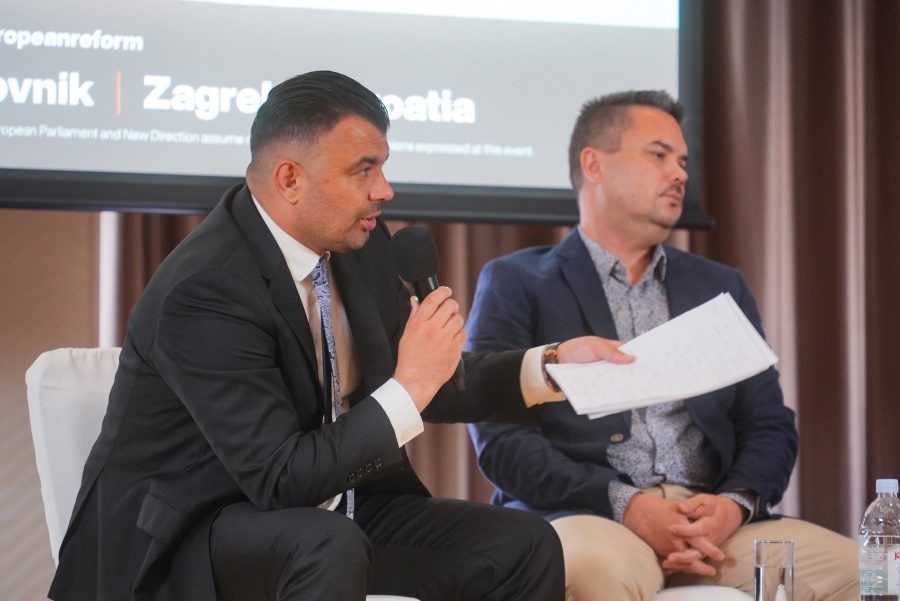
Robin Harris wound up the proceedings of the Conference. As well as thanking the participants and those who had attended, he referred to the title – “Liberation or Enslavement?” – and described it as a leading question which had been definitively answered. In Southeastern Europe – including Croatia and Yugoslavia – the end of the War brought not freedom but serfdom. He noted that the contributions had all been scholarly and strictly objective, which was as it should be.
But objectivity does not mean that we must accept a position of neutrality. What we know about Communism either in Croatia or worldwide admits of no neutrality, no excuses, and no cover ups.
Written by: Robin Harris, the President of COK and author of Croatia: A History – From Revolution to Independence.